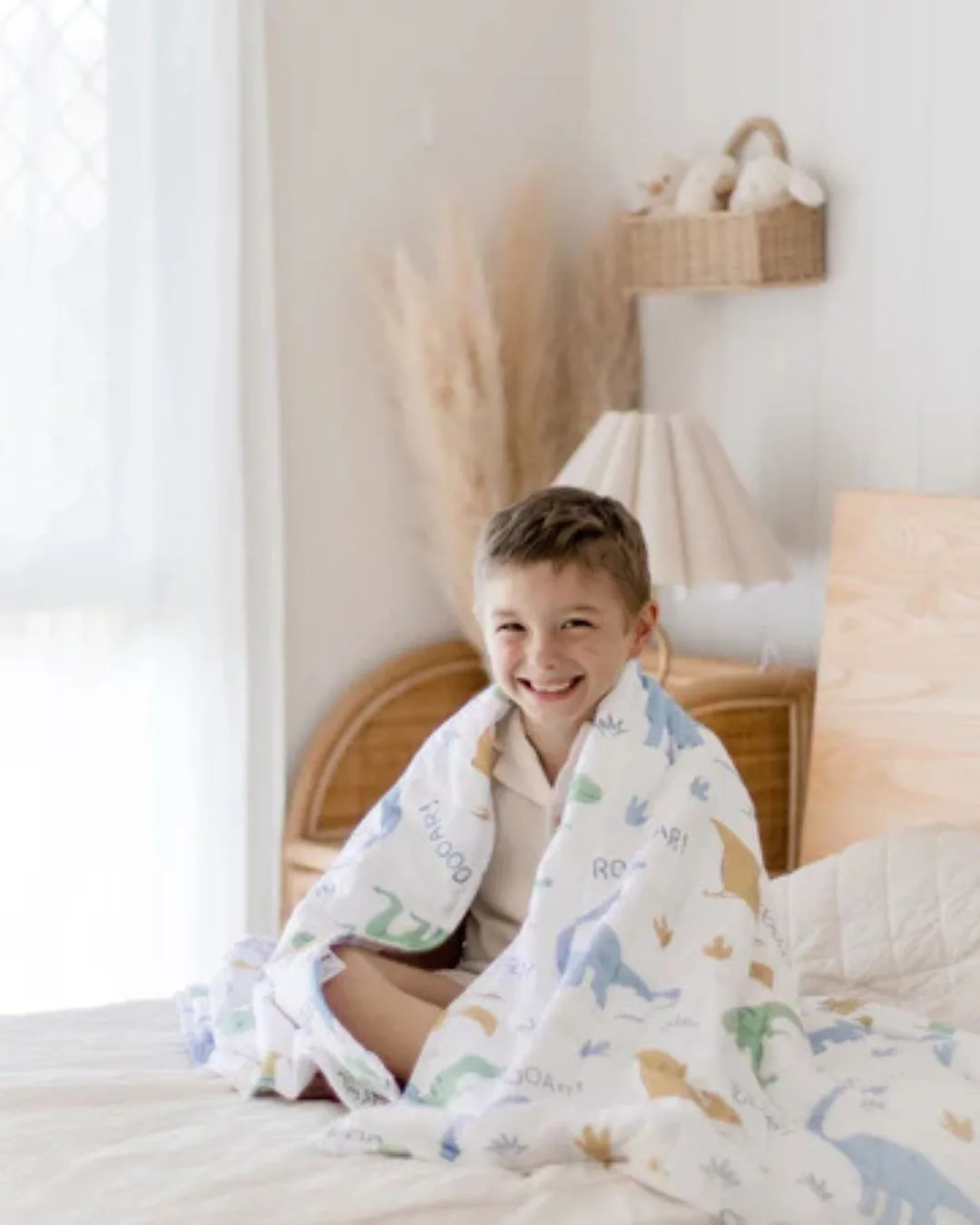
Sensory overload can make it hard for a child with autism to wind down and fall asleep, because the nervous system stays alert even when the body is tired. A weighted blanket for kids applies calming, even pressure across the body known as deep pressure touch stimulation (DPTS) which can help settle an overstimulated nervous system and support a smoother bedtime routine.
For many families of children with autism, bedtime isn't simply about turning off the lights. It's about helping a nervous system that may still be processing the sounds, textures, and stimulation of the day finally switch into rest mode. Understanding how sensory overload affects sleep and how a weighted autism blanket fits into the solution can make bedtime feel far less overwhelming for both parents and kids.
What Is Sensory Overload and Why Does It Affect Sleep?
Sensory overload happens when the brain receives more sensory input than it can process at once, such as bright lights, background noise, clothing textures, or even the general busyness of a day. For children with autism, this can leave the nervous system in a heightened, alert state well after the stimulation has stopped.
This is why a child might seem exhausted but still struggle to fall asleep. Their body is tired, but their nervous system hasn't received the signal that it's safe to relax.
How Does Sensory Overload Show Up at Bedtime?
Parents often notice patterns such as the following:
- Difficulty settling down even after a calm evening routine
- Increased restlessness, fidgeting, or resistance to lying still
- Heightened sensitivity to blankets, pyjama textures, or room temperature
- Frequent waking during the night
- Meltdowns or distress in the lead-up to bedtime
These behaviours aren't defiance, they're often the nervous system's way of signalling it's still overstimulated.
What Is Deep Pressure Touch Stimulation (DPTS)?
Deep pressure touch stimulation is a therapeutic technique that uses firm, even pressure across the body to help calm the nervous system. It works similarly to a firm hug or swaddle, and it's widely used in occupational therapy for children with sensory processing differences, including autism.
A weighted autism blanket is designed to deliver this pressure consistently and evenly throughout the night, without a parent needing to apply it manually.
How Does a Weighted Blanket Create This Effect?
The blanket is filled with evenly distributed weighted material, so pressure is spread across the whole body rather than concentrated in one spot. This steady, predictable input can help shift the nervous system out of an alert state and into a calmer one, which may make falling and staying asleep easier.
How Can a Weighted Blanket Support Kids with Autism?
A weighted blanket for kids isn't a guaranteed fix, but many families use it as one supportive tool within a broader sensory-friendly routine. Common benefits reported include:
- A grounding, calming sensation that can ease the transition from an overstimulated state to rest
- A consistent nightly cue that helps signal it's time to sleep, supporting routine and predictability something many children rely on
- Reduced restlessness during the night for some children
- A sensory-friendly addition that pairs well with other calming bedtime tools, like dim lighting or soft-textured pyjamas
How Do You Choose the Right Weighted Blanket for a Child with Autism?
Consider sensory sensitivities first.
Some children are sensitive to certain fabrics or textures. Choose breathable, soft materials. Bamboo fabric is a common choice so the blanket feels comfortable rather than irritating.
Match the Weight to the Child
Weighted blankets should be chosen based on the child's age, size, and comfort, following the manufacturer's guidelines. A blanket that's too heavy or too light won't deliver the calming effect as effectively.
Prioritise Even Weight Distribution
Quality construction matters. A well-made weighted blanket spreads pressure evenly across the body rather than shifting or bunching, which keeps the sensory experience consistent night after night.
Is a Weighted Blanket Safe for a Child with Autism?
Yes, when used appropriately. As with any sensory tool, it's worth keeping a few guidelines in mind:
- Follow the manufacturer's age and weight recommendations
- Introduce the blanket gradually so the child can adjust to the sensation
- Monitor comfort and adjust if the child seems restricted rather than settled
- Use it within a safe, uncluttered sleep space
Building a Sensory-Friendly Bedtime Routine
A weighted blanket works best as part of a wider routine rather than a standalone solution. Predictable steps each night, dim lighting, quiet activities, and consistent timing help reinforce the calming signal the blanket provides.
Conclusion
Sensory overload can make bedtime genuinely difficult for children with autism, even when they're physically tired. A weighted blanket for kids offers one practical, evidence-informed way to help calm an overstimulated nervous system through deep pressure touch stimulation. Paired with a consistent, sensory-friendly bedtime routine, it can make the transition to sleep feel a little easier for both children and the parents supporting them.