Homeowners and property managers throughout the metro area deal with heavy windstorms, dense shade, aging city trees, and pest pressures that affect yard health year-round. Relying on Tree Services in Minneapolis MN helps property owners address canopy hazards, seasonal growth, and tree stress before minor issues turn into costly damage. Cold winters, spring wind events, summer storms, and local threats like emerald ash borer or oak wilt can quickly strain established trees on residential and commercial lots. Thoughtful care keeps mature trees safe and attractive while protecting houses, garages, driveways, and neighboring yards.
Matching Care Methods to Local Species and Site Conditions
Effective Tree Services in Minneapolis MN start with evaluating tree species, root space, soil conditions, and structural defects rather than applying a one-size-fits-all cut. A mature oak with minor deadwood needs careful timing and selective pruning—especially given seasonal wound rules tied to oak wilt—rather than aggressive topping. Conversely, an ash tree showing canopy decline from emerald ash borer may call for targeted treatment or planned removal before brittle branches become hazardous. Considering sunlight, nearby structures, and long-term vigor helps property owners make practical choices for every tree on the lot.
Why Proactive Scheduling Avoids Urgent Yard Headaches
Waiting until a heavy limb crashes onto a fence or a declining tree blocks a walkway often leads to rushed decisions and higher cleanup stress. Scheduling routine inspections and seasonal maintenance during calmer months gives property owners clearer options and smoother project timing. Checking yard access, gate widths, soft soil, and overhead or underground utilities ahead of time also helps crews work cleanly without tearing up turf. Steady planning keeps both budgets and outdoor spaces far more predictable.
Core Tree Work Needed on Local Properties
Residential yards, boulevard plantings, and commercial properties often require different types of care as trees grow and weather conditions shift. Common tree care tasks include:
- Structural Pruning and Crown Thinning: Removing dead, rubbing, or storm-stressed limbs to improve branch attachment, clearance, and light penetration.
- Hazardous and Declining Tree Removal: Dismantling dead, diseased, or structurally compromised trees safely near homes, wires, and tight spaces.
- Stump Grinding: Grinding stumps below soil level so turf, mulch beds, or new plantings can fill the space cleanly.
- Pest and Disease Management: Monitoring and treating vulnerable species for regional concerns such as emerald ash borer or oak wilt where appropriate.
- Storm Cleanup: Clearing fallen branches and storm-damaged wood safely after high winds or severe weather.
- Arborist Risk Evaluations: Assessing trunk decay, root issues, and branch weight near high-use areas to guide informed decisions.
Comparing Estimates, Credentials, and Crew Communication
Reviewing tree proposals is much easier when written quotes clearly explain the work scope, brush and wood haul-off, stump grinding, and site cleanup expectations. Property owners should verify active insurance coverage, ask whether an arborist assesses the trees in person, and confirm how drop zones and lawn protection are handled. Asking how crews handle schedule adjustments, wood chips, or unexpected decay inside a trunk helps clarify responsibilities before work begins. Straightforward answers during the estimate stage usually signal organized field execution.
Safety Practices, Local Rules, and Property Protection
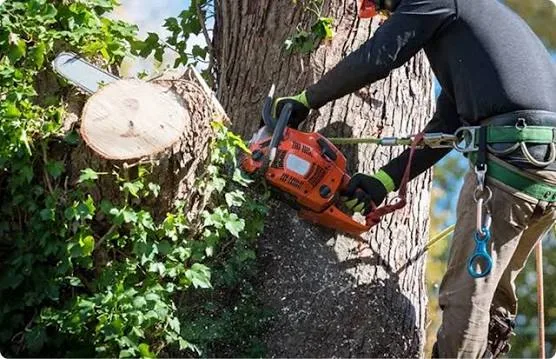
Tree work involves elevated climbing or lift work, chainsaws, rigging lines, and heavy wood, making disciplined safety habits essential around people and property. Responsible crews protect lawns, garden beds, and hardscapes while maintaining clear communication around active work zones and debris removal. Local municipal rules and state quarantine guidelines—such as restrictions on moving certain ash wood or firewood—also shape how wood is handled and disposed of. Following safety standards and local regulations protects both property owners and workers throughout the job.
Realistic Outcomes and Long-Term Canopy Value
Thoughtful pruning, timely hazard removal, and targeted plant health care can support healthier tree structure, reduce falling-limb risks, and preserve valuable yard shade. Long-term results still depend on tree age, species resilience, soil quality, weather patterns, and ongoing care rather than a single visit solving every issue. Addressing weak limbs or declining trees early helps avoid bigger emergencies during severe storms. Consistent attention helps mature canopies remain an asset for years to come.
Evolving Trends in Residential and Commercial Tree Care
Property owners increasingly prioritize tree preservation when safe, pay closer attention to soil conditions and pest resistance, and look for crews that minimize yard disruption. Changing weather patterns and ongoing regional pest pressures have also made early arborist evaluations more common before major storms or seasonal shifts. Trees by Forrest brings decades of local arboricultural experience across the Twin Cities metro area to help property owners care for trees safely and practically.
Conclusion
Maintaining healthy, safe trees on residential and commercial properties takes careful observation, realistic planning, and dependable field execution. By checking insurance, comparing clear written quotes, and addressing tree concerns early, property owners can choose Tree Services in Minneapolis MN with confidence. Good preparation protects surrounding structures and turf while keeping outdoor spaces inviting. Steady canopy care supports a safer, greener property over the long run.