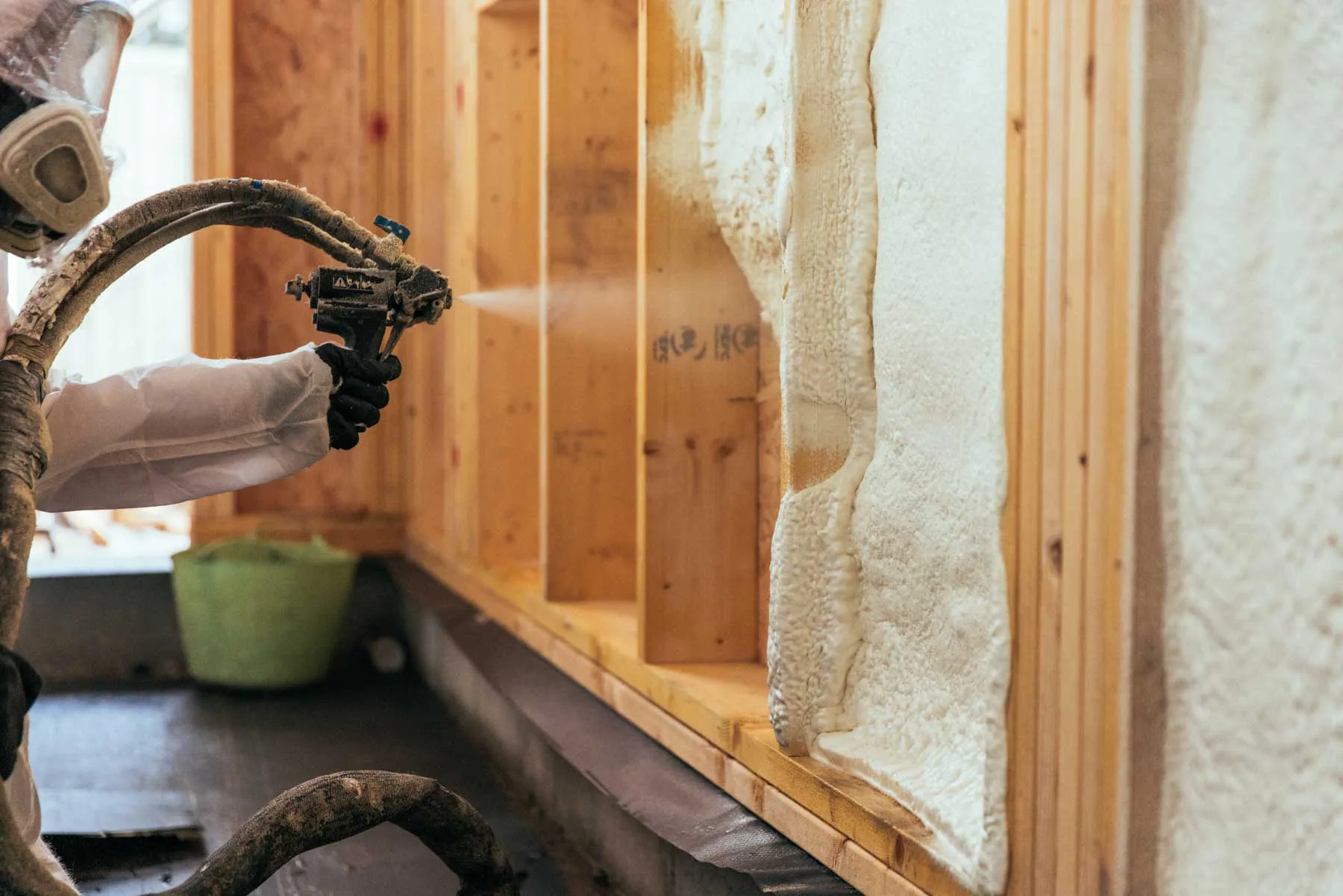
The primary difference between these two products lies in their physical structure and density. Open cell foam is soft, porous, and permeable, while closed cell foam is rigid, dense, and impermeable. Finding local closed-cell spray foam insulation providers requires understanding how these physical properties affect moisture resistance, thermal performance, and your overall building budget.
This guide provides technical details to help you choose the right product for your home or business. Industry professionals consistently rely on data to determine which material suits specific climate zones and structural requirements.
How Physical Structure Impacts Performance
The cells inside open-cell foam remain open during the expansion process. This creates a sponge-like texture that allows moisture to pass through relatively easily. Because it is lightweight, you might find it fills wall cavities very quickly.
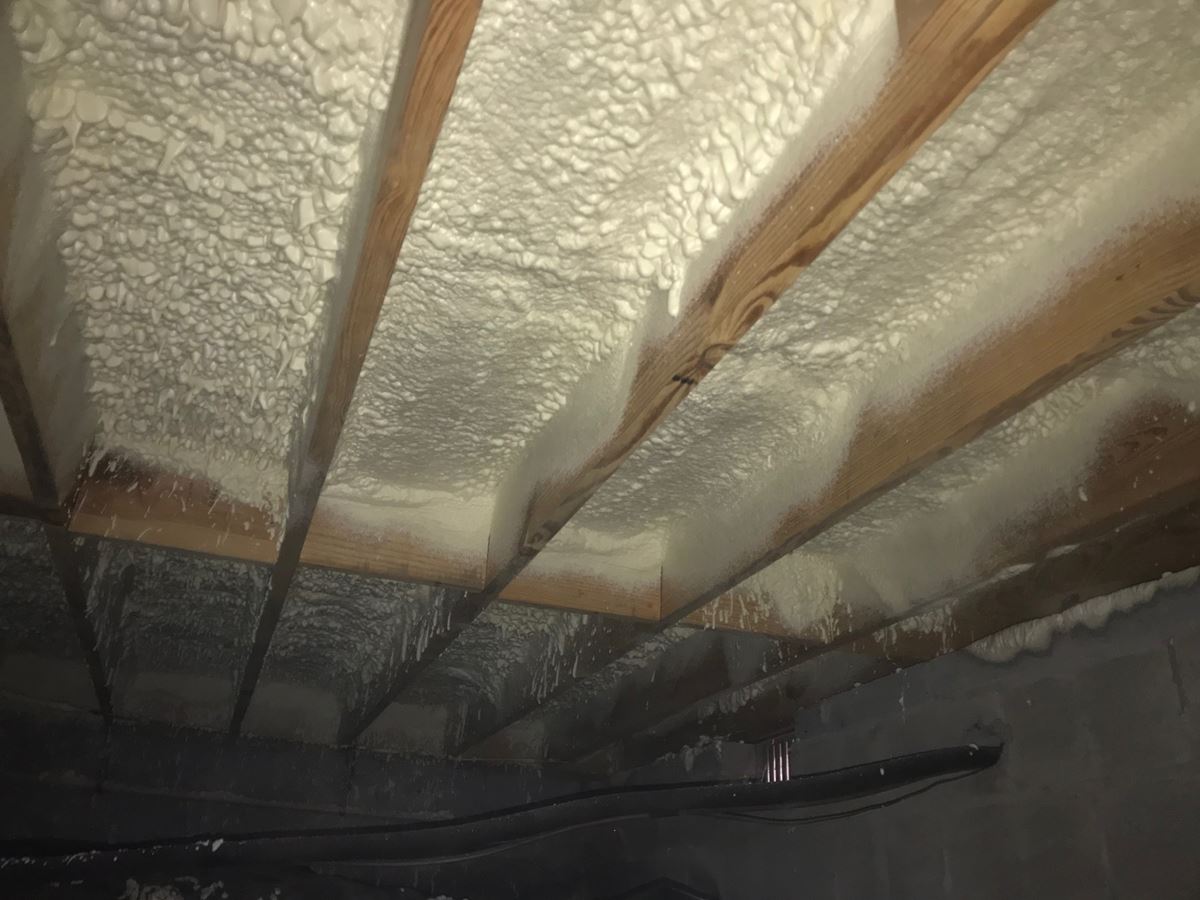
Closed-cell foam features cells that stay closed and packed tightly together. This structure prevents air and water vapor from moving through the material. It creates a solid barrier that adds structural strength to the walls where you apply it.
Thermal Resistance and Efficiency
You measure insulation effectiveness using R-value. This number tells you how well a material stops heat flow. Closed-cell foam typically offers an R-value of about 6.0 to 7.0 per inch of thickness.
Open-cell foam usually provides an R-value between 3.5 and 4.0 per inch. Because it has a lower R-value, you often need more physical space to reach the same thermal performance targets as you would with its denser counterpart.
Important Factors to Evaluate Before You Choose
Before you decide on a specific material for spray foam insulation projects in MN, consider the following variables. Your local climate plays a massive role in which option offers the best long-term value.
- Moisture Levels: In damp environments, closed-cell is often preferred because it acts as a vapor barrier.
- Structural Integrity: If you need to add rigidity to a wall, closed-cell foam provides a structural boost.
- Budget Constraints: Open cell is generally more affordable per square foot than closed cell products.
- Application Space: If you have limited depth in your wall cavities, the higher R-value of closed cell allows for better performance in thin areas.
- Sound Dampening: Open cell is excellent at absorbing sound, making it a common choice for interior walls and media rooms.
Comparison of Spray Foam Insulation Types

Benefits of Professional Installation
Choosing the right material represents only half of the battle. You must ensure the product gets installed correctly to avoid gaps or uneven coverage. Experienced contractors use specialized equipment to monitor temperature and pressure during application.
When searching for open-cell spray foam insulation services, check for companies that follow safety protocols. Proper ventilation is a requirement during the curing process. Professionals ensure that the foam expands to the intended density, which guarantees you get the expected thermal benefits.
Bonus Tip: If you live in an area with extreme seasonal temperature swings, ask your contractor about hybrid systems. These often combine both types of foam to capture the cost benefits of open cell with the moisture protection of closed cell.
Where to Use Different Types of Insulation
You do not always have to use one type for your entire building. Experts often recommend mixing types of insulation based on the specific location within your property.
- Attic Insulation: Open cell works well in vented attics because it allows moisture to escape while providing excellent coverage in irregular shapes.
- Crawl Space Encapsulation: Closed cell is the industry standard here because it blocks ground moisture and prevents pests from entering through the floor.
- Wall Insulation: If you want a vapor barrier, use a closed cell. If you are insulating interior walls for sound control, an open cell is the better choice.
- Commercial Insulation: Large commercial buildings often benefit from the structural strength and high R-value of closed cell systems.
Bonus Tip: Always ensure your rim joists are sealed properly. Even if you choose an open cell for your main walls, using a closed cell at the rim joist area is a common best practice to prevent air leaks at the foundation level.
Understanding Structural Benefits
Closed cell spray foam is known for its dense and rigid composition, which can add additional structural support to a building. This added rigidity increases the wall or roof assembly’s resistance to strong winds, shifting, and external impact. For homeowners living in areas prone to heavy storms or high winds, this extra durability can be a valuable long-term advantage that helps justify the higher installation cost.
Open cell spray foam, however, is much softer and less dense. Its primary purpose is to provide thermal insulation and effective air sealing rather than structural reinforcement. While it performs well for energy efficiency and sound reduction, it should not be considered a material that strengthens or supports the building frame.

Making the Final Decision
Review your specific goals before you sign any service agreement. Are you trying to lower your monthly energy bills, or is moisture control your main priority?
If you are currently looking for closed cell spray foam insulation in your area, evaluate your basement or crawl space conditions first. These areas usually require the moisture-resistant properties of closed cells. For upper floors or ceilings, you might find that an open cell meets your needs perfectly while keeping your costs lower.
Frequently Asked Questions
Is spray foam insulation safe for my family?
Yes, once it is fully cured. During the application process, occupants must stay out of the building. Once the material sets and the contractors ventilate the area, it becomes an inert plastic that poses no danger to your household.
Does closed-cell foam block all water?
It acts as a vapor barrier and is water-resistant. If a pipe bursts or flooding occurs, it will not soak up water like a sponge. However, you should still address the source of any water leaks immediately.
Why does the cost differ so much?
Closed-cell foam is much denser and requires more raw material to fill the same space. It also takes more time and technical skill to apply correctly. These factors contribute to the higher price point compared to open-cell foam.
Can I install foam insulation myself?
You should hire professionals for this task. The equipment is complex, and the chemicals require precise mixing ratios. Incorrect application leads to foam that does not cure properly, which creates health hazards and structural issues.
How long does spray foam last?
It is designed to last for the lifetime of the building. As long as it remains dry and is not physically damaged by construction work or pests, the insulation performance will remain consistent for decades.
Summary of Insulation Choices
Both open-cell and closed-cell foam offer significant improvements over traditional fiberglass or cellulose. Your final decision depends on your budget, your climate, and the specific area of your home you want to improve. Whether you prioritize structural strength or cost-effective air sealing, there is a foam product that fits your project. Evaluate your specific needs, consult with a professional, and select the material that provides the best long-term performance for your property.
Reach Out to Local Specialists for Your Insulation Requirements
If you are ready to improve your property, contact the team at Peak Spray Foam for a professional assessment. They offer a full range of services, including Residential Spray Foam, Closed Cell Spray Foam, Commercial Spray Foam, Commercial Insulation, Residential Insulation, Blow-In Insulation, Air Sealing, Crawl Space Encapsulation, Wall Insulation, Attic Insulation, Fiberglass insulation, Air Barrier insulation, and Open Cell Spray Foam. You can reach them at info@peaksprayfoamllc.com or call (612) 482-4742.