
Transforming Retail: The Dawn of Experience-Driven eCommerce
In 2026, the global eCommerce sector is undergoing a profound transformation. What was once primarily a transactional platform focused on product listings and competitive pricing has evolved into an immersive, personalized, and AI-powered experience. Recent data from industry analysts reveal that over 85% of online shoppers now expect tailored interactions that anticipate their needs, far surpassing traditional expectations of convenience and pricing.
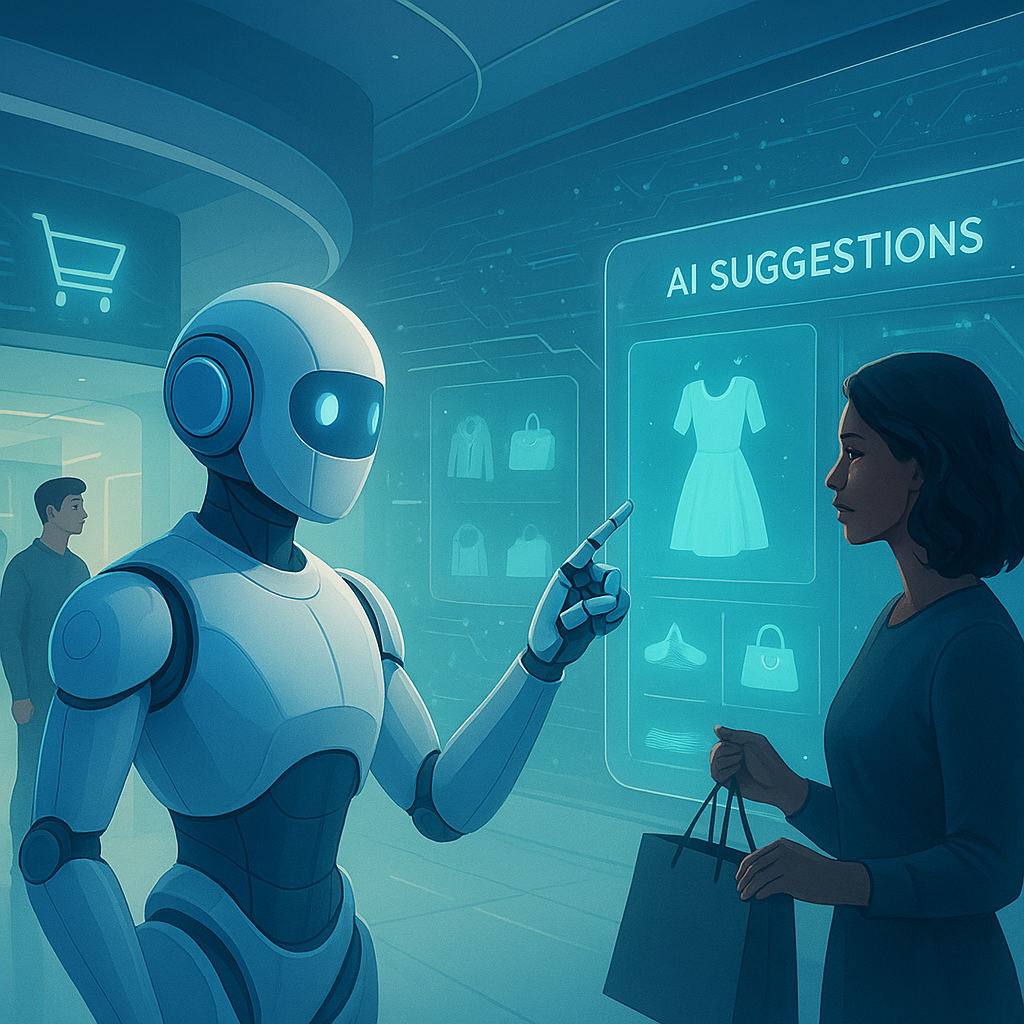
Walk through any major urban center and you’ll see the integration of augmented reality (AR) and virtual reality (VR) in retail, blurring the lines between online and offline commerce. For example, interactive AR fitting rooms and AI-driven personal shopping assistants have become commonplace, allowing consumers to engage with products before purchase in a deeply personalized manner. This shift is not simply about convenience but about creating an emotional connection, driving loyalty in a saturated market.
As the digital landscape matures, businesses that fail to embrace these experience-centric innovations risk falling behind. The stakes are high: the global eCommerce market is projected to surpass $10 trillion by 2027, according to several market research firms, underscoring the competitive urgency to innovate.
"The future of eCommerce hinges on delivering not just products, but meaningful experiences that resonate with individual consumers," says Mia Chen, Chief Innovation Officer at NextGen Retail.
Tracing the Evolution: From Catalogs to AI-Powered Marketplaces
The roots of eCommerce date back to the early 1990s, with pioneering efforts such as Amazon’s launch in 1995 setting the stage for a digital retail revolution. Initially, the focus was on digitizing product catalogs to enable convenience and accessibility. The early 2000s saw the rise of payment gateways and logistical improvements that brought scalability.
However, it was the 2010s that introduced mobile commerce and social media integration, exponentially increasing reach and engagement. The 2020s marked the advent of AI and big data analytics, which empowered merchants to personalize offerings and optimize operations at an unprecedented scale.
Today, the integration of Software-as-a-Service (SaaS) platforms has democratized the ability to deploy sophisticated eCommerce solutions. Platforms like Shopify, BigCommerce, and Magento now offer modular, scalable services that support AI, headless architecture, and omnichannel strategies.
This historical arc reveals a clear pattern: eCommerce has progressively shifted from product-centric to customer-centric models, leveraging technological advances to enhance personalization and operational efficiency.
"The combination of SaaS and AI has fundamentally redefined how merchants connect with consumers, making the digital storefront as dynamic as the physical one," observes Raj Patel, eCommerce Analyst at Global Insights.
Data-Driven Insights: The Numbers Behind eCommerce’s Shift
Quantitative analysis highlights the accelerating impact of AI and experiential technologies in eCommerce. A recent report by the Digital Commerce Institute reveals:
- 68% of consumers prefer brands that offer personalized shopping experiences based on AI-driven insights.
- Retailers implementing AR saw a 30-40% increase in conversion rates within the first year of deployment.
- Subscription-based SaaS eCommerce platforms grew by 45% year-over-year, indicating robust demand for flexible, cloud-based retail solutions.
- Mobile commerce now accounts for more than 58% of total online sales globally, emphasizing the importance of mobile-optimized experiences.
- Voice commerce sales are projected to reach $80 billion by 2027, fueled by widespread adoption of smart assistants.
These figures underscore a critical reality: AI and experiential tools are not just enhancements but essential drivers of growth and competitive advantage. Retailers investing in these technologies are consistently outperforming peers in customer retention, average order value, and operational efficiency.
Moreover, the rise of headless commerce architectures—where the front-end presentation layer is decoupled from the backend—enables seamless integration of AI modules and personalized content delivery, further accelerating innovation.
This momentum is corroborated by successful case studies detailed in TheOmniBuzz’s coverage, such as advanced Shopify strategies and no-code tool integrations, which illustrate how businesses scale effectively in this new environment (Unlocking Shopify’s Full Potential, How No-Code Tools Are Revolutionizing eCommerce and SaaS Growth).
2026 Breakthroughs: AI, Sustainability, and the Rise of Social Commerce
The current landscape in 2026 is marked by several key developments reshaping eCommerce globally. First, the maturation of generative AI has enabled hyper-personalized product recommendations, automated content creation, and dynamic pricing models. Retailers harness AI not only for consumer-facing features but also for supply chain optimization and fraud detection.
Second, sustainability has moved from a niche concern to a fundamental expectation. Consumers increasingly demand transparency regarding product sourcing, carbon footprints, and ethical labor practices. This trend has driven eCommerce platforms to integrate sustainability metrics directly into product pages and checkout experiences.
Third, social commerce—shopping directly within social media platforms—has expanded dramatically. Platforms like TikTok and Instagram have solidified their roles as shopping hubs, using AI to tailor feeds and streamline purchase flows. This phenomenon has blurred the lines between entertainment and commerce, creating new opportunities and challenges for marketers.
- AI-powered chatbots now handle over 70% of customer service interactions, improving response times and customer satisfaction.
- Eco-conscious product lines grew by 60% in sales, reflecting shifting consumer values.
- Social commerce sales represent approximately 25% of total eCommerce revenue in key markets such as the US, China, and Europe.
These trends underscore a more connected, intelligent, and values-driven eCommerce ecosystem. The industry’s trajectory is increasingly shaped by technological sophistication balanced with social responsibility.
Voices from the Field: Industry Leaders on eCommerce’s Future
To understand the real impact of these changes, it helps to hear from industry leaders actively shaping eCommerce’s future. Sarah Kim, CEO of OmniRetail, emphasizes the importance of marrying technology with human insight:
"While AI powers efficiency and personalization, the human element—empathy, creativity, and trust—remains irreplaceable. Successful retailers are those who integrate both seamlessly."
Similarly, Thomas Müller, Head of Product Innovation at a leading SaaS eCommerce platform, highlights the role of SaaS in democratizing access to cutting-edge technology:
"SaaS platforms have leveled the playing field, enabling even small and medium-sized businesses to compete globally by leveraging AI, analytics, and flexible architectures without massive upfront investments."
The convergence of SaaS and AI is explored further in TheOmniBuzz’s analysis of how SaaS is revolutionizing eCommerce and digital commerce’s future (How SaaS Is Revolutionizing eCommerce and Defining Digital Commerce’s Future), underscoring the strategic importance of these platforms.
Looking Ahead: Strategies for Thriving in eCommerce’s Next Decade
As eCommerce advances into its next chapter, businesses must adopt forward-thinking strategies to remain competitive. Key takeaways include:
- Invest in AI and experiential technologies: Deploy AI-driven personalization, AR/VR experiences, and voice commerce to meet evolving consumer expectations.
- Embrace sustainability: Integrate transparent sustainability data and ethical sourcing into product offerings to align with consumer values.
- Prioritize omnichannel integration: Seamlessly connect online, mobile, social, and offline touchpoints to deliver cohesive customer journeys.
- Leverage SaaS flexibility: Use modular SaaS platforms to rapidly implement innovations and scale operations without heavy capital expenditure.
- Humanize digital experiences: Blend AI efficiency with authentic human interaction to build trust and loyalty.
Understanding these imperatives will be critical for eCommerce enterprises aiming to capitalize on emerging opportunities and navigate the increasingly complex retail landscape.
For entrepreneurs and established retailers alike, resources such as Unlocking eCommerce Success: A Complete Guide offer comprehensive frameworks to build and scale online stores effectively.
Ultimately, the evolution of eCommerce in 2026 exemplifies how technology, consumer expectations, and global trends intertwine to redefine commerce itself. The retailers who succeed will be those who not only adopt these innovations but embed them thoughtfully into customer-centric strategies.