Introduction
Daily hygiene relies on supplies that behave predictably under ordinary conditions. Isopropyl alcohol supports first aid, surface cleaning, and quick care of shared items in homes, clinics, and offices. Purity and concentration shape how well each bottle performs during those routine tasks. Poorly refined liquid may leave a film, evaporate too quickly, or fail to deliver the labelled strength. Dependable alcohol offers a practical, evidence-based option for everyday cleaning habits.
1. What Quality Changes
Price alone reveals very little about performance in a rubbing alcohol product. When comparing options for isopropyl alcohol in Perth, high-quality formulas are usually identified by verified purity, accurate concentration, and cleaner evaporation, which matter during regular use on tools, counters, and high-touch objects. Inferior liquid can leave residue, create streaks, or produce uneven wetting. A reliable composition helps people use the product correctly, without guessing how it will behave from one task to the next.
2. Why Concentration Matters
Public health guidance shows alcohol solutions work best within a defined range, usually 60 per cent to 90 per cent. Activity falls sharply below 50 per cent. That range matters because water slows evaporation and improves contact with microbes. Many households choose 70 per cent for ordinary cleaning. It stays wet long enough to support better germ reduction than a formula that flashes off almost immediately.
3. Better Results on Shared Surfaces
Handles, phones, remotes, and counters collect oils, dust, and skin residue through daily contact. Visible soil should be removed first because debris can shield microbes from disinfecting agents. After that basic step, well-made alcohol spreads more evenly and dries without heavy streaking. Those traits make routine upkeep simpler in kitchens, bathrooms, workstations, and entry points where many hands touch the same surface.
4. Safer Support for Hand Hygiene
Soap and water remain the preferred method for visibly dirty hands. Alcohol-based sanitising products help when a sink is unavailable or impractical. Health agencies state that these products need enough active ingredient to work, with at least 60 per cent alcohol commonly cited as the minimum. Quality matters because weak or poorly labelled formulas may disappoint users who expect dependable hygiene during commuting, travel, or work.
5. Storage and Fire Risk
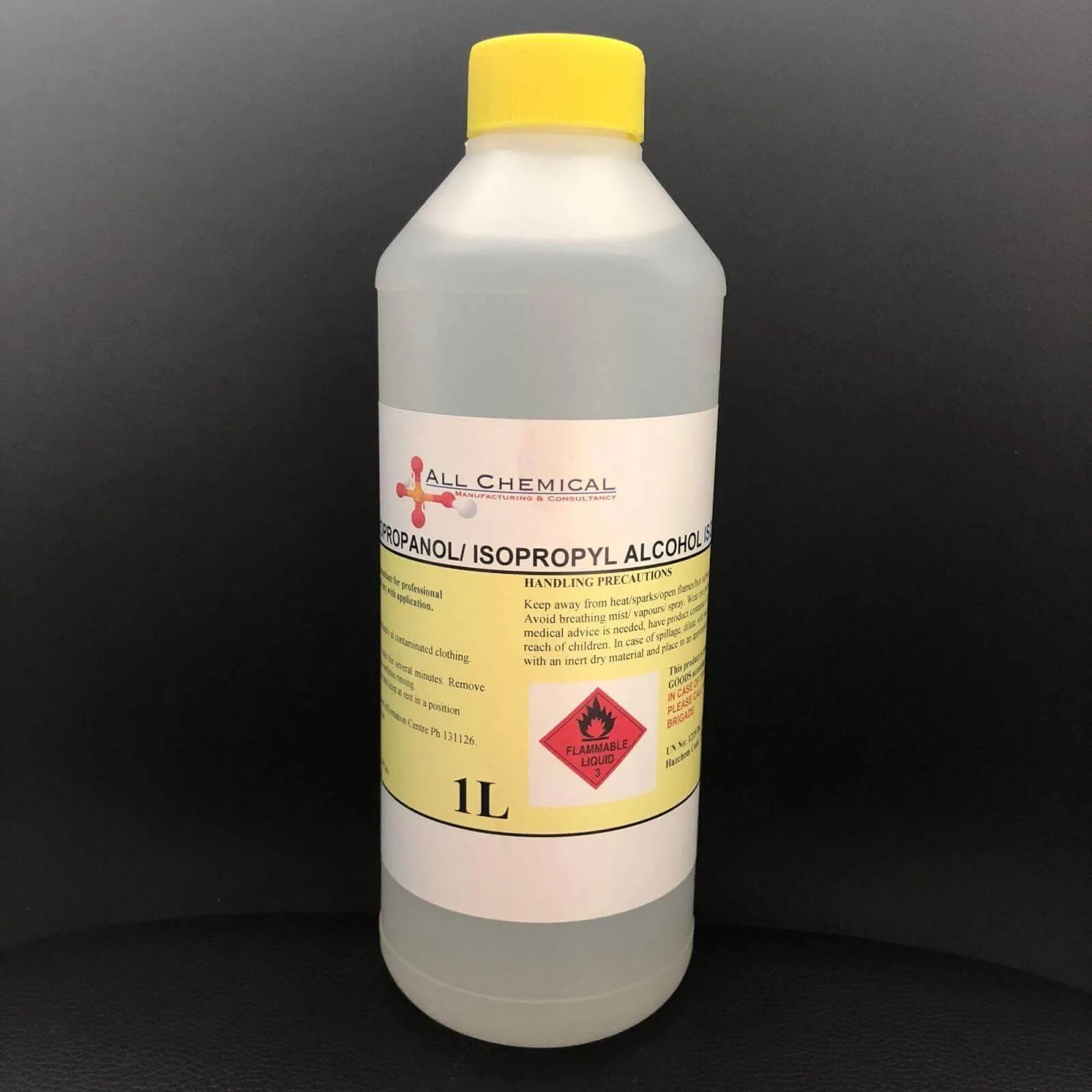
Useful products still require careful handling, especially when they are flammable. Better alcohol products usually come in sturdy containers with legible directions, hazard warnings, and ingredient information. Clear packaging reduces mix-ups in busy households. Bottles should remain tightly closed, stored away from heat, and kept out of a child’s reach. Good labelling supports safer habits during cleaning, refilling small dispensers, and discarding empty containers.
6. Purity Protects Sensitive Tasks
Some chores are less forgiving than a quick wipe on a hard counter. Screens, stainless steel tools, glass, and grooming devices can show haze if the liquid carries excess contaminants. Higher purity helps limit film and streaks after evaporation. That matters when an item must dry quickly before reuse. For people who clean often, the difference becomes visible after repeated use rather than after a single application.
7. Read the Label Carefully
A label can reveal whether a bottle belongs in a medicine cabinet or utility drawer. Shoppers should look for concentration, intended use, warnings, and the identity of active ingredients. Federal safety alerts have flagged products with too little alcohol and others contaminated with toxic substances. Those notices show why source quality matters. A bargain price offers little value if the stated strength or purity is unreliable.
8. Where Alcohol Falls Short
High-quality alcohol is useful, yet it does not solve every sanitation problem. Public health guidance notes that alcohol does not kill bacterial spores, and it is unsuitable for some medical-grade disinfection tasks.
9. Use It for the Right Job
That limitation should guide expectations during household use. Alcohol works best for quick disinfection of small, hard surfaces and spot cleaning, rather than serving as an answer to every cleaning need.
10. Why Daily Use Rewards Consistency
Everyday products should perform the same way each time they are opened. That expectation explains why quality matters. A dependable bottle reduces uncertainty, supports simple routines, and lowers the risk of weak cleaning results. People do not need dramatic claims to judge usefulness. Clear concentration, clean evaporation, sensible packaging, and honest labelling are enough to make a common product reliable during ordinary home and workplace care.
Conclusion
High-quality isopropyl alcohol earns trust through consistent concentration, cleaner evaporation, and safer labelling. Those features help households maintain shared surfaces, support hand hygiene when soap and water are unavailable, and avoid problems linked to understrength or contaminated formulas. Quality also sets realistic expectations because alcohol has clear limits despite its usefulness. In daily practice, a well-made basic product often protects health more effectively than a cheaper, less reliable substitute.