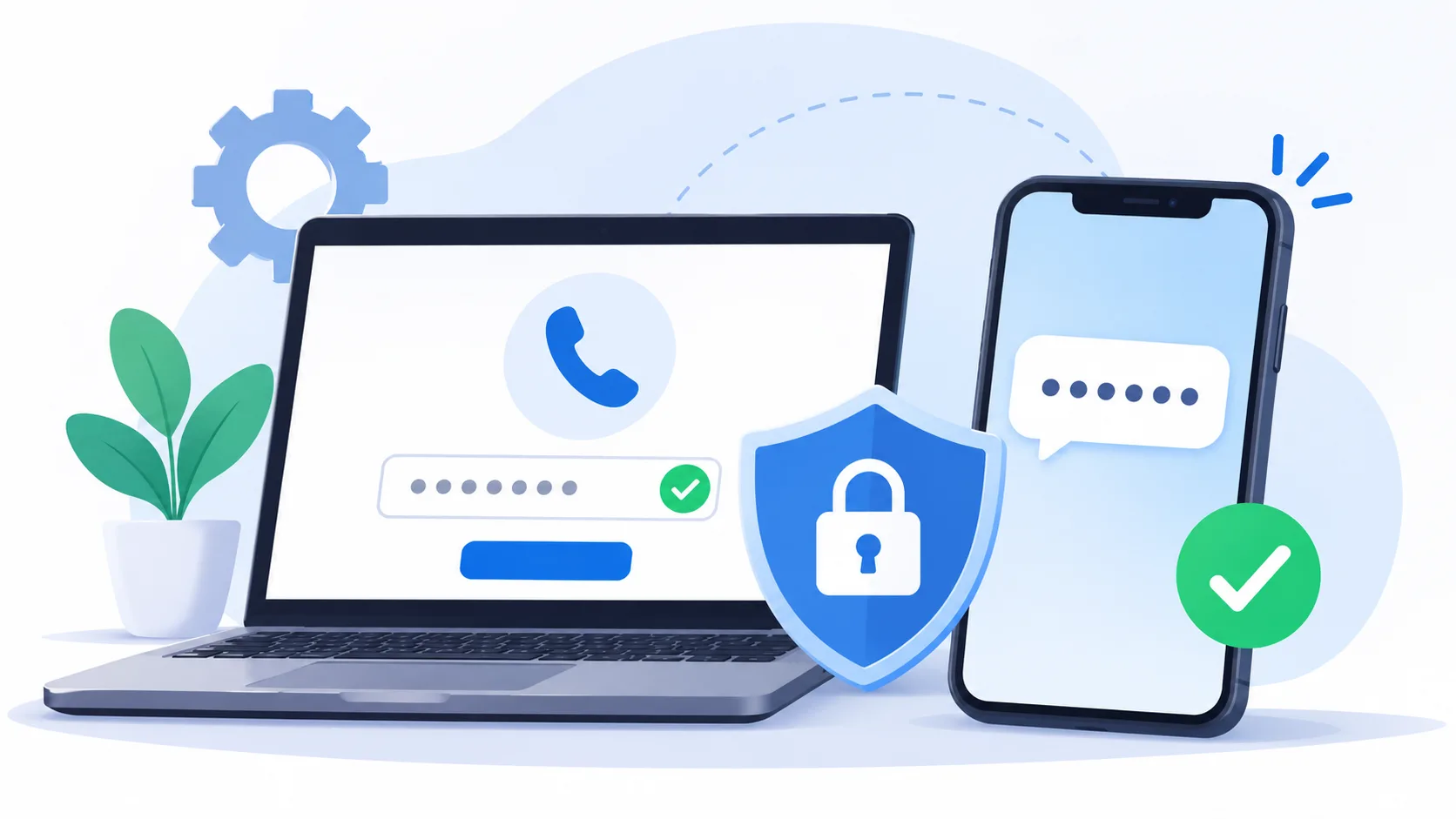
Phone verification has become an important part of building secure and reliable web applications. As more people use online platforms for shopping, banking, communication, and business activities, developers need effective ways to confirm user identities. A phone number verify api helps applications check whether a submitted phone number is valid and supports the verification process through SMS or one-time passwords (OTPs). This additional layer of security helps reduce fake registrations, protect user accounts, and maintain accurate contact information.
1. The Growing Need for Phone Verification in Web Applications
Modern web applications collect user information during registration, login, checkout, and account recovery. Email addresses and passwords are common authentication methods, but they do not always provide enough protection against fraudulent activities.
Users can create multiple accounts with temporary email addresses or enter incorrect contact details. This creates problems for businesses that depend on genuine registrations and reliable communication.
Phone verification adds another checkpoint to the registration process. When users provide their mobile numbers, applications can request an OTP or use other verification methods to confirm that the number is accessible.
For example, an e-commerce website can verify a customer's phone number before accepting an order. Similarly, a financial platform can require additional phone-based authentication before allowing sensitive account activities.
This process helps businesses establish greater confidence in the information submitted by users.
2. How Phone Verification Works
Phone verification generally involves checking a submitted number and confirming that the user can access it.
Although implementation methods differ between applications, the process usually follows a few basic steps.
Step 1: User Enters a Phone Number
During registration or login, the application asks the user to provide a mobile number. The input form should support international dialing codes so users from different countries can enter their numbers correctly.
Step 2: Validate the Number Format
The application checks whether the submitted number follows the expected numbering format. This may include checking the country code, number length, and other numbering rules.
Format validation helps identify incorrectly entered numbers before the application attempts to send an OTP.
Step 3: Send a Verification Code
After validating the number, the application can generate a temporary OTP and send it through an SMS service provider.
The code should have a limited validity period to reduce the possibility of unauthorized reuse.
Step 4: Confirm the OTP
The user enters the received code into the application. The backend compares the submitted code with the generated value.
If both values match and the code has not expired, the application can mark the phone number as verified.
Step 5: Store the Verification Status
The application stores the verification status securely. This prevents users from repeating the same verification process unnecessarily during every login.
3. Reducing Fake Accounts and Spam Registrations
Fake accounts are a common challenge for websites that allow visitors to register without strict identity checks. Automated bots can create hundreds or thousands of accounts, making it difficult to distinguish genuine users from suspicious activity.
These accounts may be used for spam submissions, promotional abuse, fake reviews, referral manipulation, or other unwanted activities.
Phone verification introduces an additional requirement that makes automated account creation more difficult. Requiring access to a working phone number can discourage some automated registrations and reduce low-quality sign-ups.
For example, an online marketplace can verify phone numbers before allowing sellers to publish product listings. This makes it easier to maintain a trustworthy platform and communicate with registered sellers.
However, phone verification should not be treated as a complete solution to bot activity. Businesses can combine it with CAPTCHA, device fingerprinting, rate limiting, and suspicious activity monitoring for stronger protection.
4. Strengthening User Account Security
Account security is one of the main reasons businesses implement phone verification.
Passwords can be stolen through phishing attacks, reused across multiple websites, or exposed during security incidents. If an attacker obtains a user's password, they may attempt to access the associated account.
Phone-based authentication provides an additional verification step in supported login workflows.
For example, a web application can request an OTP after a user enters the correct password. Access is granted only after the user completes the additional verification step.
This approach is commonly used in two-factor authentication (2FA).
It is particularly useful for applications that manage sensitive information, including:
- Online banking platforms.
- Healthcare management systems.
- E-commerce accounts.
- Business dashboards.
- Subscription-based services.
- Customer management platforms.
Developers should also consider the limitations of SMS-based authentication. SIM swapping, message interception, and social engineering can affect its security. For highly sensitive applications, authenticator applications, passkeys, and hardware security keys may provide stronger protection.
5. Improving the Accuracy of Customer Information
Incorrect phone numbers can create communication problems for businesses. Customers may miss order updates, delivery notifications, appointment reminders, and important account alerts.
A phone verification system helps reduce these issues by confirming that users can receive messages at the submitted number.
Consider an online shopping application. If a customer enters an incorrect phone number, the delivery team may struggle to contact them. This can lead to failed deliveries, delayed orders, and additional operational costs.
Verifying contact details during registration or checkout helps businesses maintain more reliable customer records.
It also supports better communication between companies and their customers throughout the service lifecycle.
6. Supporting Better User Experience
Security measures should protect users without making applications unnecessarily difficult to use.
A complicated registration process can discourage visitors from completing account creation. Phone verification provides a familiar method of confirming contact information, especially when the process is designed carefully.
Developers can improve the experience through features such as:
- Automatic country code selection.
- Clear instructions for entering phone numbers.
- OTP auto-fill support on compatible devices.
- A resend code option with reasonable restrictions.
- Visible countdown timers for OTP expiration.
- Helpful error messages for incorrect codes.
- Alternative verification methods when SMS delivery fails.
The goal is to make verification simple while maintaining appropriate security standards.
For example, instead of displaying a generic error message, an application can explain that the entered code has expired and provide an option to request another one.
Small improvements like these can reduce confusion and prevent users from abandoning the registration process.
7. Why Developers Should Use a Phone Verification API
Building a complete phone verification system from scratch requires several components. Developers need to manage number validation, country-specific numbering rules, OTP generation, message delivery, expiration times, retry limits, and verification records.
Maintaining these components can become challenging, particularly for applications serving users across multiple countries.
An API-based approach simplifies the integration process by allowing developers to connect their applications with an external service.
Depending on the provider, a phone verification API may support:
- International phone number validation.
- Country and dialing code identification.
- Mobile and landline number classification.
- Carrier information.
- Line type detection.
- Number format verification.
- OTP delivery and verification workflows.
Not every API provides all these capabilities. Developers should review the provider's documentation and select a service that matches their application's requirements.
An API also helps reduce development time and makes it easier to maintain phone number validation as international numbering rules change.
8. Important Security Practices for Phone Verification
Implementing phone verification does not automatically make a web application secure. Developers must follow appropriate security practices to protect verification data and prevent misuse.
Set OTP Expiration Limits
Verification codes should remain valid only for a short period. Expired codes must be rejected even if the entered digits are correct.
Apply Rate Limiting
Limit how frequently users can request verification messages. This helps prevent SMS abuse, automated requests, and unnecessary messaging costs.
Avoid Predictable OTPs
Use secure random number generation when creating verification codes. Codes should not follow predictable sequences or patterns.
Protect Verification Data
Sensitive information should be handled carefully. Avoid storing plain-text OTPs unnecessarily, and use secure storage practices for authentication-related data.
Monitor Suspicious Activity
Track repeated failed verification attempts, unusual request patterns, and excessive OTP requests. These signals can help identify potentially fraudulent behavior.
Provide Alternative Verification Methods
SMS delivery may fail because of network issues, roaming restrictions, or unsupported phone numbers. Providing an alternative authentication method can help legitimate users access their accounts.
9. Choosing the Right Phone Verification Service
Selecting an appropriate verification service is an important decision for development teams. Different providers offer different validation capabilities, coverage, pricing structures, and integration options.
Before choosing a service, consider the following factors:
Global number coverage: Make sure the service supports the countries where your application operates.
Validation accuracy: Check whether the API provides reliable number format and carrier information.
Documentation: Clear documentation, examples, and integration instructions can make implementation easier.
Response speed: Fast API responses help maintain a smooth registration and login experience.
Scalability: Select a service that can handle increasing verification requests as your application grows.
Security: Review how the provider handles submitted phone numbers, API credentials, and other sensitive information.
Pricing: Compare request limits, subscription plans, and additional charges to understand the total operating cost.
Testing the API before production deployment can help developers identify compatibility issues and evaluate its performance under different conditions.
10. Simplifying Phone Number Validation with Numverify
For developers who need to validate phone numbers across different countries, an API-based solution can reduce the complexity of handling international numbering formats.
Numverify offers phone number validation capabilities that can help applications check submitted numbers and retrieve useful information about them.
Its API can support development workflows that require country identification, international number formatting, carrier details, and line type information.
For example, an online registration system can use phone number validation to check submitted contact details before saving them in its customer database. This helps reduce formatting errors and improves the quality of collected information.
Developers can explore Numverify's available API features, documentation, and integration options to determine whether they fit their application's validation requirements.
11. Conclusion
Phone verification plays an important role in modern web application development. It helps businesses reduce fake registrations, maintain accurate customer information, strengthen account authentication, and improve communication with users. However, its effectiveness depends on proper implementation, secure OTP handling, and additional protection against suspicious activities. Developers should choose verification methods based on their application's security requirements and user experience goals. Integrating a reliable phone number verification api can simplify number validation and help businesses build more secure, dependable, and user-friendly web applications.
Frequently Asked Questions (FAQs)
1. What is phone verification in web applications?
Phone verification is a process used to confirm that a user can access a submitted phone number. Applications commonly use OTPs sent through SMS to verify the number during registration, login, or account recovery.
2. Why is phone verification important for website security?
Phone verification adds an additional checkpoint to user authentication. It can help reduce fake registrations, discourage automated account creation, and support two-factor authentication when implemented correctly.
3. What is the difference between phone number validation and phone verification?
Phone number validation checks whether a number follows the correct numbering format and may provide information about its country, carrier, or line type. Phone verification confirms that a user can access the number, usually through an OTP.
4. Can phone verification prevent fake accounts?
Phone verification can make fake account creation more difficult by requiring access to a working phone number. However, it cannot prevent every fraudulent registration, so businesses should combine it with other security measures.
5. Is SMS-based phone verification completely secure?
No. SMS verification can be affected by SIM swapping, phishing, and message interception. Businesses handling sensitive information should consider stronger authentication options, such as passkeys or authenticator applications.
6. How can developers integrate phone verification into a web application?
Developers can integrate a phone verification service through its API. The general process involves collecting a phone number, validating its format, sending an OTP, checking the submitted code, and securely storing the verification status.
7. What should developers consider when selecting a phone verification API?
Developers should evaluate international coverage, validation accuracy, API response time, documentation, security practices, scalability, and pricing before selecting a provider.