A garage door has several parts that work together to open and close smoothly. One of these important parts is the garage door roller. These small wheels help the door move along the metal tracks whenever you open or close it. Understanding how garage door rollers work in a garage door system can help homeowners understand their role in daily door operation and why proper maintenance is important.
Garage door rollers are fitted along the sides of the garage door and sit inside the tracks. As the door moves, the rollers guide it along the track and help maintain smooth movement. When rollers become worn or damaged, Garage door roller replacement may not always be necessary, as replacing the faulty rollers can often help restore smooth door operation.
In this article, we will explain how garage door rollers work, the different types available, common problems, and ways to keep them in good condition.
What Are Garage Door Rollers?
Garage door rollers are small wheel-shaped components attached to the sides of a garage door. They fit inside the metal tracks and allow the door to move up and down smoothly.
Most residential garage doors have several rollers positioned along the sides of the door sections. These rollers help guide each section as the door moves between its closed and open positions.
Garage door rollers usually consist of three main parts:
- Wheel: The round part that moves along the garage door track.
- Stem: The metal shaft that connects the roller wheel to the door.
- Bearing: The internal component that allows the wheel to rotate with less friction.
Each part has a specific role in helping the garage door move correctly. When these components are in good condition, the door can travel along the tracks with less resistance.
How Do Garage Door Rollers Work?
Garage door rollers work by moving inside the vertical and horizontal tracks installed on both sides of the garage door. These tracks create a guided path that helps the door move from a vertical position to a horizontal position.
Here is how the process works:
1. Rollers Guide the Door Along the Tracks
When you press the garage door opener button, the door starts moving. The rollers rotate inside the metal tracks and guide the door along its designed path.
As the door moves upward, the rollers travel through the curved section of the track. This allows the door to change direction from vertical to horizontal without moving away from its intended path.
2. Rollers Help Reduce Friction
Garage door rollers are designed to rotate rather than slide along the tracks. This reduces friction between the moving door and the track surface.
Less friction helps the garage door move more smoothly and reduces unnecessary pressure on other components. However, damaged or worn rollers may create additional resistance during operation.
3. Rollers Support Smooth Door Movement
Garage doors are made up of multiple connected sections. Each section has rollers that help it move while remaining connected to the complete door system.
As the door opens, the rollers help each section follow the track. During closing, they guide the sections back into their vertical position.
4. Rollers Work With Other Garage Door Components
Garage door rollers do not work alone. They operate alongside tracks, hinges, springs, cables, and the opener system.
Each component has a different function. The springs help balance the door's weight, while the cables assist with lifting and lowering. The opener controls the movement, and the rollers guide the door along the tracks.
All these components must work together for proper garage door operation.
What Are the Different Types of Garage Door Rollers?
Garage door rollers are available in different materials and designs. Each type offers different features depending on the garage door system and usage requirements.
The most common types include:
1. Nylon Garage Door Rollers
Nylon rollers are commonly used in residential garage doors because they generally produce less noise during operation.
Their smooth wheel surface helps reduce friction while moving along the tracks. Some nylon rollers also include sealed bearings that help protect internal components from dust and dirt.
These rollers can be a suitable option for homeowners who want quieter garage door movement.
2. Steel Garage Door Rollers
Steel rollers are made with metal wheels and are known for their strength. They are often used in garage door systems that require durable components.
However, steel rollers can produce more noise than nylon rollers, especially when they are not properly maintained. Regular inspection and lubrication can help keep them operating smoothly.
3. Plastic Garage Door Rollers
Plastic rollers are generally found in some basic garage door systems. They are lightweight and can provide normal movement when installed correctly.
However, they may wear out faster than some other roller types, depending on their material quality and frequency of use.
Choosing the right roller depends on the garage door design, track compatibility, and expected daily use.
What Happens When Garage Door Rollers Become Worn Out?
Garage door rollers experience regular movement whenever the door opens and closes. Over time, repeated use can cause the wheels, bearings, or stems to wear down.
When rollers are no longer working correctly, they can affect the overall performance of the garage door.
Some common problems include:
1. Increased Operating Noise
One of the first signs of worn rollers is unusual noise. You may hear squeaking, grinding, rattling, or clicking sounds while opening or closing the door.
These noises can occur when roller bearings become damaged or the wheels no longer rotate smoothly.
2. Uneven Door Movement
Damaged rollers may prevent the garage door from moving evenly along both tracks. One side may move differently from the other, causing the door to shake or appear uneven.
This issue should be inspected because uneven movement can also indicate track or cable problems.
3. Door Sticking During Operation
Worn rollers can create additional friction inside the tracks. As a result, the garage door may hesitate, move slowly, or stop during operation.
A sticking door may also indicate problems with the tracks, springs, or opener system.
4. Visible Roller Damage
Cracks, chips, flat spots, loose bearings, and worn wheel surfaces are signs that the rollers may need attention.
Regular visual inspections can help identify these problems before they affect the entire garage door system.
What Factors Affect the Lifespan of Garage Door Rollers?
Garage door rollers do not last forever. Their lifespan depends on several factors, including material, maintenance, and frequency of use.
Here are some common factors that can affect their condition.
| Factor | How It Affects Rollers |
| Daily usage | Frequent opening and closing can increase wear. |
| Roller material | Different materials have different durability levels. |
| Maintenance | Proper inspection and lubrication help reduce friction. |
| Dirt and debris | Dust and dirt can affect roller movement. |
| Track condition | Misaligned or damaged tracks can put extra pressure on rollers. |
| Weather conditions | Moisture and humidity can affect metal components and bearings. |
Homeowners who use their garage doors several times a day may notice roller wear sooner than those who use them less frequently.
How Can You Maintain Garage Door Rollers?
Regular maintenance can help keep garage door rollers in good working condition. It also allows homeowners to identify potential problems before they affect daily operation.
Consider the following maintenance practices:
1. Inspect Rollers Regularly
Check the visible rollers for cracks, worn surfaces, loose stems, or damaged bearings. If you notice any unusual condition, arrange a professional inspection.
2. Keep Garage Door Tracks Clean
Dirt, dust, and small debris can collect inside garage door tracks. Clean the tracks carefully to remove loose dirt that may interfere with roller movement.
Avoid applying grease inside the tracks because it can attract more dirt and debris.
3. Use Suitable Lubrication
Some garage door rollers require lubrication to maintain smooth movement. Use a garage-door-compatible lubricant on the roller bearings when recommended by the manufacturer.
Avoid lubricating nylon wheels unless the manufacturer specifically recommends it.
4. Pay Attention to Unusual Sounds
Listen for grinding, squeaking, or rattling noises during operation. These sounds may indicate worn rollers or another issue within the garage door system.
Getting the problem checked early can help prevent further damage.
5. Schedule Professional Inspections
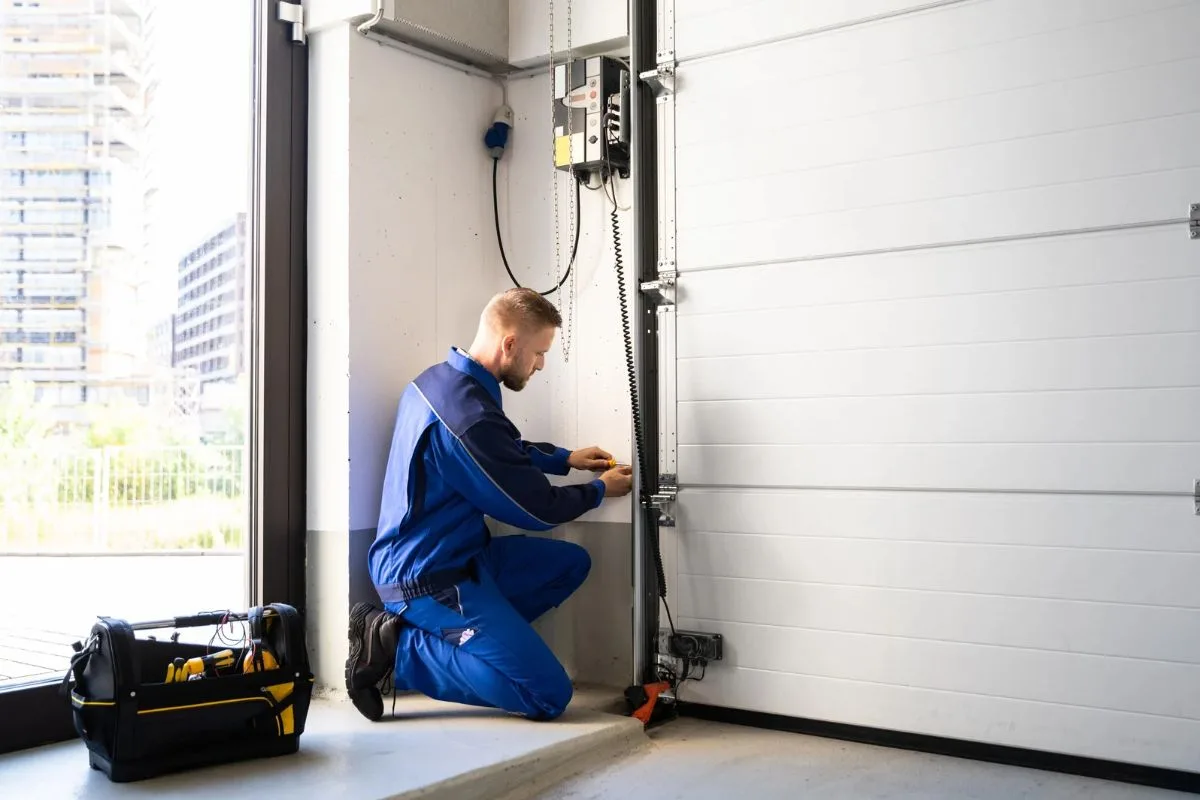
A professional technician can check roller condition, track alignment, hinges, springs, and other moving parts. Regular inspections can help identify issues that may not be easy to notice during a basic visual check.
When Should You Consider Garage Door Roller Replacement?
Not every noisy or slow-moving garage door needs new rollers. Sometimes, the problem may be related to dirt, lubrication, track alignment, or another component.
However, replacement may be necessary when rollers show visible damage, have worn bearings, or no longer rotate properly.
You should consider professional roller replacement if:
- Roller wheels have cracks or broken sections.
- Bearings make grinding noises.
- Rollers wobble or move loosely.
- The garage door repeatedly sticks or moves unevenly.
- Rollers no longer fit correctly inside the tracks.
A technician can inspect the complete system and determine whether cleaning, adjustment, or replacement is required.
Garage doors contain heavy components and high-tension springs. Avoid removing rollers or working near spring-loaded parts without proper training and equipment. A professional should handle these tasks safely.
Why Is Proper Roller Function Important for Garage Door Performance?
Garage door rollers may look like small components, but they play an important role in the movement of the entire door.
When rollers work correctly, they help:
- Guide the door along the tracks.
- Reduce friction during movement.
- Support consistent opening and closing.
- Reduce unnecessary stress on connected components.
- Maintain smoother and quieter operation.
Ignoring roller problems can lead to additional wear on tracks, hinges, and other parts. This is why regular inspections and timely maintenance are important for long-term garage door performance.
Conclusion
Garage door rollers help guide the door along its tracks and support smooth opening and closing. They work with other components, including hinges, springs, cables, and the opener, to keep the complete system operating properly. Understanding their function can help homeowners recognise early signs of wear and take suitable action.
If your garage door makes unusual noises, moves unevenly, or gets stuck during operation, the rollers may need professional attention. Garage Door Miami FL can help homeowners understand their garage door concerns and identify suitable solutions for maintaining proper door performance. Regular inspections and timely attention to worn components can help keep your garage door operating smoothly.